

Breaking the Silence on Mental Health Stigma in Rural America
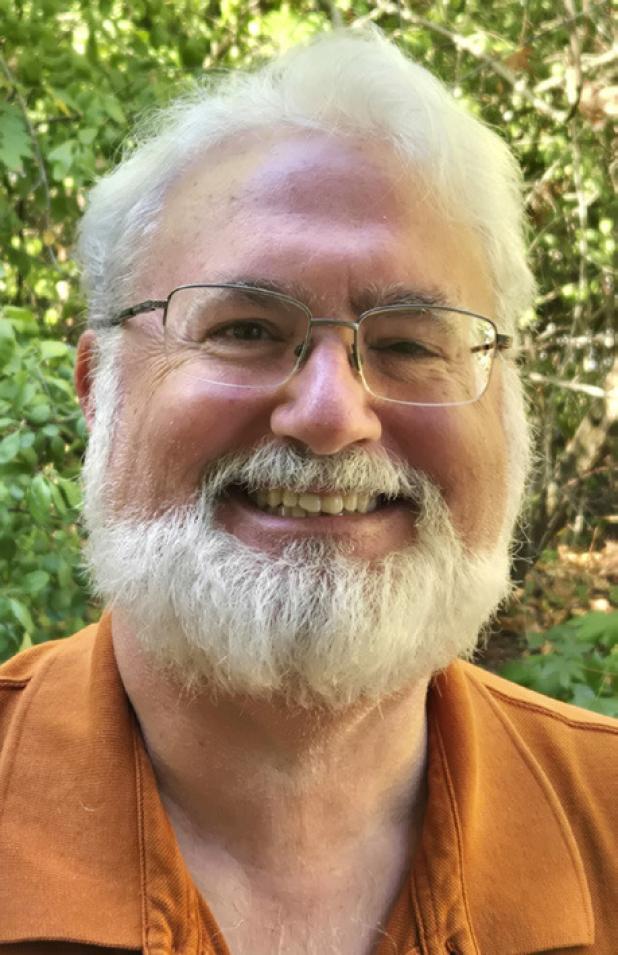
Director of Behavioral Health - Hamilton Hospital Heritage Senior Adult Program, Olney, Texas
Rural American communities often pride themselves on resilience and self-reliance. However, this led to a growing crisis of the stigma of mental health. Small communities experience anxiety, depression, substance use disorders, and trauma just a little more than the rest of the country. However, those living in small towns and farming communities often face additional barriers that make seeking help more difficult. Eliminating the stigma of mental health in rural America is not simply a matter of compassion. It is an issue of public health.
Mental health stigma refers to negative attitudes, stereotypes, and discrimination directed at people experiencing mental illness or emotional distress. Mental Health stigmas are reinforced by longstanding cultural values like toughness, independence, privacy, and the fear of being seen as weak. Rural residents may feel pressure to “handle it themselves” rather than admit they are struggling. Asking for help can be seen as a failing or vulnerability, particularly among men, farmers, ranchers, veterans, and those whose identities are tied to endurance and hard work.
Stigma can be devastating in any community. Individuals may delay treatment until symptoms become severe. Depression can become hopelessness. Anxiety interferes with work, relationships, and sleep. Substance misuse may be used to numb or avoid pain rather than address it. In the worst cases, untreated mental illness can lead to suicide, a tragedy that has affected many rural counties with rates higher than cities.
The pressures of stigma can be especially intense for farmers and agricultural workers. Weather disasters, rising costs, debt, market uncertainty, and physical labor create chronic stress. A bad season can threaten not only income, but family legacy, financial stability, and even personal identity. Yet many people in the agriculture industry report feeling isolated and are reluctant to discuss emotional struggles. These tight communities, where “everyone knows everyone,” have concerns about gossip and judgment that keep people silent.
Reduced access to care is a problem.
Even when help is wanted, rural areas often have the largest shortages of therapists, psychiatrists, and crisis services, according to a 2019 agricultural study. The need to drive for hours for an appointment or face long waiting times is frequent. Limited internet access can also restrict telehealth options. Stigma becomes even more dangerous because it discourages people from seeking the few resources that do exist.
Eliminating stigma starts now.
Mental health is physical health. Every person has the occasional physical need that deserves healthcare. No one would shame a neighbor for seeking treatment for diabetes or a broken leg. The same standard must apply to depression, trauma, or panic attacks. These are health conditions, not character flaws.
Education plays a major role.
Schools, churches, agricultural organizations, and local employers can help normalize mental health discussions by providing workshops, sharing resources, and encouraging open dialogue. When trusted community leaders speak openly about stress, counseling, or recovery, it sends a powerful message that seeking help is responsible and not shameful.
Personal testimonies.
Shared stories from rural residents who have navigated mental health challenges can reduce fear and misunderstanding. Hearing a farmer discuss burnout, a teacher speak about anxiety, or a veteran describe personal recovery reminds others that they are not alone. Visibility breaks the myth that mental illness only happens elsewhere.
Policymakers also have responsibilities.
Expanding rural mental health funding, supporting telemedicine, incentivizing providers to practice in underserved areas, and strengthening crisis response systems can save lives. Access alone is not enough. If stigma continues to keep doors closed, communities must build cultures in which using available services is accepted and encouraged.
You can make a difference.
Families and friends can help make the change happen. Checking in with loved ones, listening without judgment, and taking concerns seriously. Simple phrases such as “You don’t have to carry this alone” or “It’s okay to get help” can begin life-changing conversations. Compassion often starts at kitchen tables over a cup of coffee and on front porches with a glass of iced tea. Rural America has always been defined by its strength. True strength is not suffering in silence. Real strength is the courage to speak honestly, openly, supporting each other through hardship by asking for help. If you think you or someone in your circle of family or friends has a concern, then ask for help. It can begin with an appointment with your family doctor or even a phone call to the Hamilton Hospital Heritage program (940) 564-3999. Eliminating the stigma of mental health does not weaken rural communities; it makes them stronger and healthier!