
County Runoff Candidates Decline to Debate
Two Young County races heading to a May 26 runoff have taken a sharper turn after the candidates opposing the proposed data center declined an invitation to debate their opponents ahead of the election.
Young County Republican Chairman Lane Burgess invited the candidates in the county judge and Precinct 4 commissioner races to participate in a public debate before early voting begins.
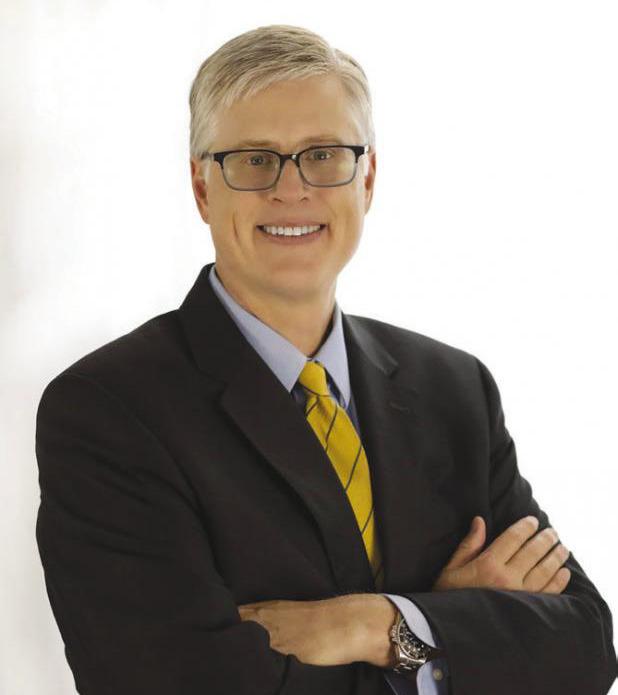
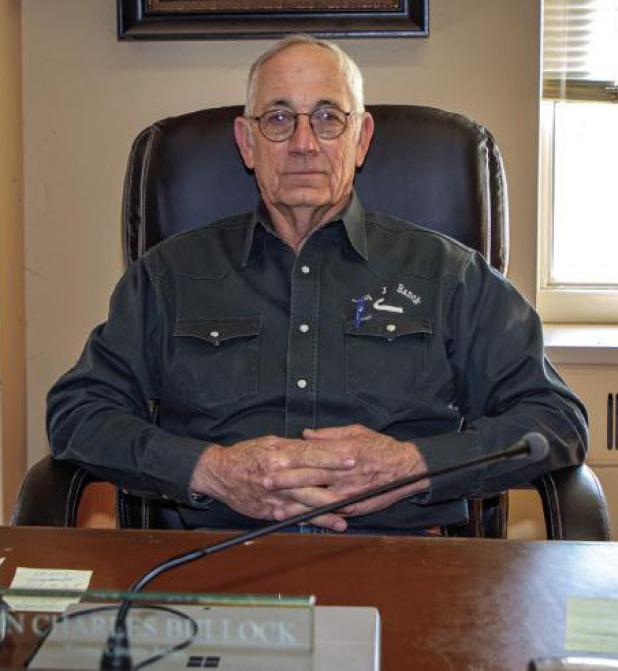
Former County Judge John Bullock and Precinct 4 candidate Cooper Dodd declined the invitation. Incumbent County Judge Win Graham and Precinct 4 candidate Bobby Swetnam said they would participate.
Mr. Dodd said he declined because he believed a debate should have taken place before the primary election.
“I believe the community deserved a debate, but before the Primary Elections,” Mr. Dodd wrote in a public statement explaining his decision. “At this stage in the game a debate would serve no purpose other than slander and unpleasant comments being thrown about.”
The Enterprise reached out to Mr. Dodd with additional questions about county finances and road maintenance, but did not receive a response.
With no debate scheduled before the runoff, the Enterprise asked each candidate two questions central to the work of the next commissioners court:
• If the county does not receive the revenue expected from the proposed data center and other industrial projects, how would the county make up the likely budget shortfall?
• What experience do you have maintaining county roads?
Those questions are particularly relevant to Olney and other rural areas of Young County because any tax abatement agreements for the proposed data center will likely be settled before the winners take office Jan. 1, 2027.
By that time, the next commissioners court will be focused primarily on balancing the county budget and maintaining hundreds of miles of rural county roads.
The stakes in the upcoming runoffs are high for local communities. Rural counties across Texas have struggled in recent years to maintain infrastructure and services as state property tax exemptions have cut deeply into local tax revenues.
Both Olney and Graham have faced ongoing challenges balancing their budgets while maintaining roads, utilities, and public safety services.
Olney Hamilton Hospital is facing a shortfall in expected revenue it had planned to use to repay $33 million in general obligation bonds issued to build the new hospital rising on Avenue M and West Hamilton Street.
Local officials say new tax revenue from the proposed data center would help ensure those bonds are repaid without placing additional tax pressure on residents. City and hospital leaders in Olney have publicly welcomed the project.
County judge race
The runoff for county judge pits Judge Graham against former Judge Bullock, who is seeking to return to the office after retiring in 2023 following nearly three decades in county government as a commissioner and county judge.
The race has drawn attention because of the candidates’ positions on large industrial projects such as the proposed Project Saltworks data center and renewable energy developments.
Judge Graham helped negotiate agreements tied to a solar project and the proposed data center, which county officials say could eventually bring more than $14 million annually to the budgets of Young County and other local taxing entities.
Judge Bullock has criticized tax abatements tied to the data center and solar development, although he negotiated tax abatements for wind farms during his earlier time in office.
Asked about the county’s biggest challenge in the coming years, Judge Bullock pointed to spending and the county budget.
“Spending. Budgetary,” he said when asked what problems the county will face over the next four years.
Judge Bullock said industrial development could strain county infrastructure, particularly roads, during construction.
“I think it’s going to put a huge stress on our resources,” he said.
Judge Bullock also suggested the county should consider restructuring how it manages road work by creating a centralized road department led by a civil engineer or experienced supervisor instead of leaving road decisions entirely to the four commissioners.
“It takes the politics out of the road business,” Judge Bullock said, explaining that such a system would allow a professional road manager to plan maintenance and construction across the county while commissioners focus on budgets and policy.
Judge Graham said Young County’s financial situation makes it difficult to reject large industrial investments that can broaden the tax base. He said he does not support cuts to county services but stressed that if no new revenue is found to replace dwindling property tax revenue, cuts may be needed to balance the budget.
“We are a poor rural county,” Judge Graham said in an interview with the Enterprise. “Every one of our entities is in a desperate situation right now.”
He said counties across Texas compete aggressively for major projects such as data centers, battery storage facilities, and manufacturing plants.
“You’ve not really seen a lot of those projects go to places that are not being incentivized,” Judge Graham said. “Every community in the state of Texas is seeking investment in their community, and the way you aggressively seek investment is to offer some sort of incentive.”
Precinct 4 commissioner race In the Precinct 4 runoff, Mr. Swetnam faces Mr. Dodd, who did not respond to requests for an interview or to questions sent via electronic message.
Mr. Swetnam currently works as road foreman for Precinct 4 under Commissioner Jimmy Wiley and said his experience maintaining county roads is central to his campaign.
“We maintain approximately 134 miles of county roads,” Mr. Swetnam said. “I’m proud to say we have 95 percent of these roads labeled as all-weather with either pavement or surfaced with commercial base rock.”
Mr. Swetnam said maintaining rural roads requires balancing materials, weather conditions, and limited budgets.
“Not all materials complement our budget,” he said. “It takes years of experience to know what works best for the buck.”
As road foreman, Mr. Swetnam said he regularly travels county roads looking for problems caused by heavy traffic or weather.
“I understand and currently travel our roads to find deficiencies and get their repairs expedited,” he said. “I will never forget we are spending taxpayers’ money in all of our tasks performed.”
Mr. Swetnam said he welcomed the opportunity to debate the issues publicly.
“I would be very open to a debate,” Mr. Swetnam said. “A debate allows more participation from the constituents to engage with the candidates side by side to compare their agendas, experience, and capabilities.”
He said Young County has historically adapted to changing economic conditions and should continue seeking new industries while planning carefully for their impact.
“Our county has gone through different industry cycles since its inception,” Mr. Swetnam said. “We have always been blessed to be adaptable to what is necessary for survival.”
Mr. Swetnam said new development — including rural subdivisions — will continue placing demands on county services and road maintenance.
“Any subdivided land in small acreage homesites outside city limits will keep bringing additional burden of services upon our county resources,” he said, citing road maintenance, fire protection, and law enforcement. “These are items we must plan for to prepare us in the next 20 years. I will continue to work with our county judge, commissioners, and economic boards to strengthen Young County.”
Young County voters will make that decision when they return to the polls on May 26.