
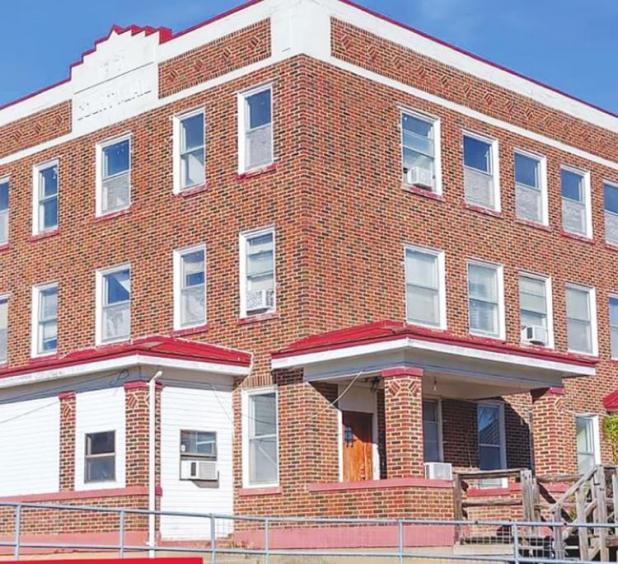
Commissioners divided over Graham Jail rehab plan
Young County commissioners split their votes at a Feb. 14 meeting over whether to retroactively approve a grant application the county Historical Commission submitted to the state to begin the process of preserving the 1921 Young County Jail.
The Texas Preservation Trust Fund invited the Young County Historical Commission to apply for a $20,000 matching grant just days before the Feb. 7 application deadline, which fell between commissioner’s court meetings.
“Not to get the cart before the horse, but we had to go ahead and scramble to get in this year’s consideration to go ahead and submit the application before the deadline … so we are asking for your permission to go ahead and proceed,” historian Julia Cox said.
The jail was recognized as a recorded Texas Historic Landmark by the Texas Historical Commission in 2020, but bringing it into compliance with the Americans with Disabilities Act and building and safety codes could be cost-prohibitive.
The 100-year-old red brick building, which sits in the Graham town square, has had $80,000 to $100,000 worth of repairs completed in the past five years to keep it habitable, including a new roof, plumbing and electricity.
The commissioners in December discussed tearing down the jail to make way for a pavilion.
Precinct 4 Commissioner Jimmy Wiley, who voted against the plan, was skeptical about the historical attributes of the building, which subsequent tenants have remodeled since 1984. He is also unclear about what use the historical commission had in mind for a three-story building with jail cells and gallows on the top floor.
“I don’t want to obligate the citizens of Young County until I see what it entails,” Wiley said. “The other thing is, they keep saying they want to spend this money for a master plan. To do a master plan, you have to have a plan, to begin with … what are you going to do with it?”
Cox said that if awarded to the county, the $20,000 grant would pay for a historic architecture firm to create a master plan to rehabilitate the jail for a new use while maintaining its historic integrity.
Wiley pointed out that the historical commission would have to raise $40,000 to access the grant, reimbursing certain projects’ costs after completion.
“You have to spend money to get the money,” he told Cox. “You have to look for that money. You’ve got to come up with $40,000.”
Precinct 1 Commissioner Stacy Creswell also voted against the measure, saying he could not approve it without seeing the grant application.
Cox stressed that the historical commission was not asking for public funds for the proposed master plan.
“We have been involved in fundraising activities before, and I have no doubt we can do this in the future,” she said. “We are not obligated for anything at this stage… if anything becomes untenable at any stage, we can withdraw our application.”
Cox said several other Texas counties, including Archer County, have or plan to refurbish their historic jails for other civic purposes. The historical commission has solicited ideas from the public about how to use the old jail – “ideally something that wouldn’t be a burden on the taxpayer,” she said.
“The 1921 jail is an ideal place to do that because buildings tell stories,” Cox said. “I’ve done historical research for decades, and it made a huge difference when I could viscerally touch and visit a place. And when you have something that is as well preserved as our 1921 jails, it’s another layer of learning.”