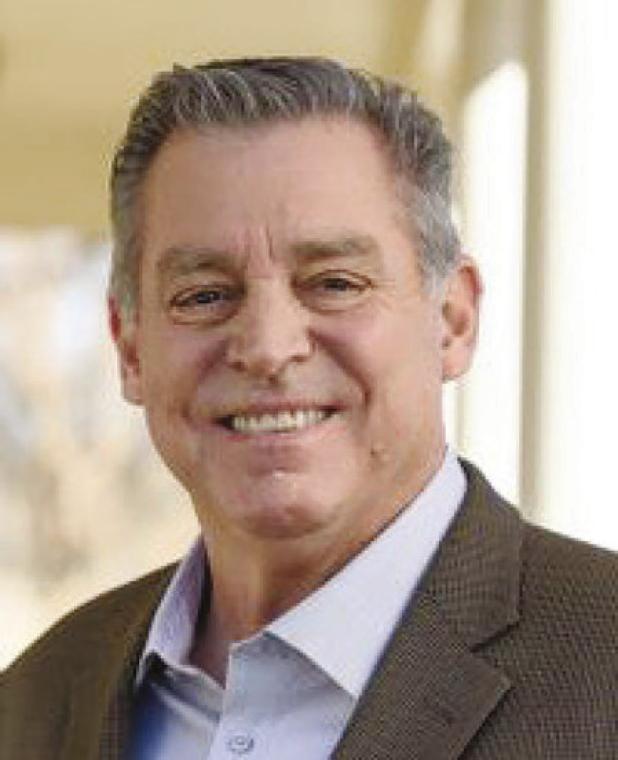
Rep. David Spiller
Republican David Spiller is seeking re-election to the Texas House District 68, drawing on his record as an incumbent and emphasizing conservative priorities he says align with the largely rural district he represents.
Rep. Spiller, who lives in Jacksboro, was first elected to the Texas House in a 2021 special election after former Rep. Drew Springer moved to the Texas Senate. He holds a bachelor’s degree from the University of Texas at Austin and a law degree from St. Mary’s University School of Law. Before entering the Legislature, Rep. Spiller built a career as an attorney and businessman, with professional experience in oil and gas, bonding, and abstract services. He has also served as Jacksboro city attorney and as general counsel for the Jack County Hospital District, roles he frequently cites as grounding him in local government and rural health care issues.
On revitalizing rural Texas infrastructure: Rep. Spiller: As a member of the SWIFT Advisory Committee and Vice Chair of the Texas House Water Caucus, I’m working closely with the Texas Water Development Board to help communities in HD 68 access funding tools and ensure towns like Olney have a real path to upgrade infrastructure, attract development, and thrive for the next generation.
Last session we passed SB 7, a historic, long-term investment in water infrastructure and HJR 7, which establishes the new Texas Water Fund. This package dedicates up to $1 billion annually for the next 20 years, a generational step forward to expand water supply, repair aging systems, and prioritize rural communities that have too often been passed over. In addition, the Legislature provided $2.5 billion through the Texas Water Development Board to support water infrastructure and supply projects across the state. I look forward to continuing to invest in our infrastructure and ensuring rural Texas is not left out of the conversation.
On Olney’s loss of
maternity care:
Rep. Spiller: First, it’s heartbreaking any time rural women lose access to maternity care close to home. No mother in Young County should have to drive an hour away to deliver a baby because local services aren’t financially sustainable. The reality is that rural hospitals across Texas are facing serious workforce shortages and reimbursement pressures that make it increasingly difficult to keep obstetric units staffed and viable.
That’s why I was proud to Co-Author HB 18, the Rural Health Stabilization and Innovation Act, which provides targeted financial stabilization grants, emergency support, and innovation funding to help rural hospitals remain open and continue offering essential services. The bill also expands training for rural hospital leadership, strengthens access to telehealth, and creates a State Office of Rural Hospital Finance to provide technical assistance and long-term support. With more than 20 rural hospitals closing over the last decade in Texas (the most in the country), this work is long overdue. HB 18 is an important step forward in ensuring that rural Texans, including expecting mothers, can access the care they deserve close to home.
On encouraging rural housing development: Rep. Spiller: In a rural community like Olney, affordable housing comes down to one basic reality: you can’t build homes if the infrastructure and local rules make it impossible or too expensive. That’s why my plan starts with making sure small towns have the tools to grow.
First, we made historic investments through SB 7 and the Texas Water Fund so rural communities can upgrade water and wastewater systems, the foundation that housing development depends on. Second, last session we also passed reforms to reduce unnecessary barriers that block new housing. I was proud to support HB 24, which modernized the outdated “tyrant’s veto” petition process that allows a small minority to stop needed residential development. Communities should be able to meet housing demand without being frozen by procedural roadblocks. And we advanced other commonsense measures to expand housing options like making it easier to allow manufactured housing, smaller-scale development, and conversions of underused properties into homes. The state’s role is to support – not hinder – rural growth, and I’m committed to ensuring communities like Olney aren’t left behind.