The Psychological Importance of Veterans Day
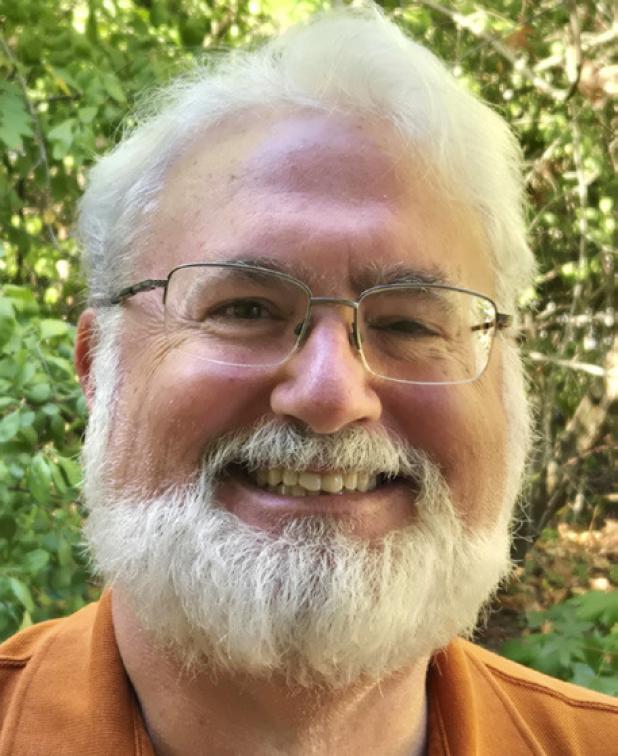
Director of Behavioral Health - Hamilton Hospital Heritage Senior Adult Program, Olney, Texas
Every November 11, we pause to honor those who have served in the US military. Parades, ceremonies, and moments of quiet remembrance fill the day and reminds the nation of the courage, discipline, and sacrifice made by our fellow Americans to preserve our freedom. Yet, this day also holds deep psychological meaning for both the veterans and civilians. Veterans Day can be an emotional crossroads of pride, pain, recognition, and reflection. Understanding its psychological significance helps.
The Emotional Weight of Service
For veterans, this day can recall both good and bad memories. Military service is more than a career choice. Serving your country can become a keystone of one’s identity. Veterans Day provides validation of that identity. It can also bring a wave of emotions. The sights and sounds of ceremonies may spark memories of close friends, events, and even personal success, and achievement. Veterans Day can also be a reminder of experienced trauma, the losses, and the death of friends, comrades, and even one’s innocence.
Those who have served in combat may experience intrusive memories, flashbacks, or nightmares related to those experiences. Many veterans face increased emotions during commemorative events. Feelings of pride can mix with grief for fallen buddies and lingering post-traumatic stress (PTSD) symptoms.
Moreover, veterans often have a sense of disconnection from civilian life after discharging home. Veterans without traumatic experiences or combat may experience bouts of melancholy. The structure, discipline, and sense of mission that define military life often contrast sharply with civilian routines, sometimes leading to feeling misunderstood or lonely.
Connection and Validation
Human beings are social creatures who need meaning and belonging. Public acknowledgment of one’s service validates one’s efforts and fulfills a vital emotional need.
This day helps veterans feel seen, valued, and connected. Community participation reduces the stigma of service-related mental health issues. Asking veterans to share their stories or simply saying “thank you” promotes conversation about emotions and service.
These human connections help normalize the experience and possible need for support, counseling, or peer groups. Honoring veterans boosts gratitude, empathy, and social connections. It reminds people of values like duty, courage, and resilience that strengthen a community.
Managing Emotions on Veterans Day This day can bring strong emotions. Having emotional awareness is essential. Here are several suggestions for veterans, families, and communities to manage the psychological impact of Veterans Day.
1. Recognize your emotions It’s natural to feel a range of emotions like pride, sadness, anger, or confusion concerning Veterans Day. Acknowledging these feelings can reduce their intensity.
2. Connect with others
Shared understanding provides relief and validation. The Department of Veterans Affairs and organizations like the Wounded Warrior Project and Vet Centers offer group and individual counseling.
3. Reflection and self-care
Remembering fallen comrades can be meaningful. It’s also important to nurture ongoing life. Engage in activities that restore your emotional energy. Spending time with loved ones, exercising, or enjoying nature are good options for selfcare. If a ceremony becomes overwhelming, it’s okay to step to the side and pause. You can also honor the day privately or in other ways.
4. Limit triggering media.
Documentaries and movies can be educational and entertaining, but they can also be painful. Movies like Saving Private Ryan, Hacksaw Ridge,
and Full Metal Jacket are known to cause emotional pain and even memory recall. It’s healthy to set boundaries about what and how much you watch. Knowing that such content may cause anxiety or flashbacks, it is okay to reduce that exposure.
5. Seek help when needed If emotions are unmanageable, reaching out for mental health support is a sign of strength. Many therapists can use Trauma Focused CBT, Cognitive Processing Therapy (CPT), Prolonged Exposure Therapy (PET) which are effective for trauma-related symptoms. Additionally, confidential help is available through the Veterans Crisis Line at 988 (Press 1).
A Day of Healing and Honor
Psychologically, Veterans Day is not only a memorial, but it is a moment of renewal, offering opportunities for growth and meaning making.
Veterans reflecting on their service reaffirm purpose, increase resilience, and add courage that continue long after the uniform is removed. Look for opportunities for mentorship, volunteer work, or advocacy, turning your remembrance into ongoing community contributions.
For civilians, the day is a reminder to show gratitude turned into action. Supporting veteran programs, hiring initiatives, or maintaining year-round awareness of those who served fosters a culture of recognition that extends far beyond a single day in November.
For veterans, it is a bridge between past and present, grief and gratitude. For everyone else, it is a chance to remember that courage with empathy is the foundation of our freedom.
By honoring the emotional truths of this Veterans Day we pay tribute to those who served.
When observed with psychological awareness Veterans Day becomes more than a national holiday. It becomes a community’s act of emotional healing.
Semper Fi to all my fellow leather necks!