
Pilot Tests Start for Olney’s New Water Treatment Plant
After a six-year delay, the Olney City Council has taken a key step toward replacing the City’s century-old water treatment plant, approving a pilot program that will test new membrane technology on Olney’s water and move the long-stalled project closer to construction.
The Council voted unanimously at its Jan. 12 meeting to approve contractor selections recommended by Jacob | Martin, the City’s engineering consultant for the project. The action authorizes three approved vendors to conduct a pilot study of membrane treatment systems over the next four to five months.
Mayor Rue Rogers said the approval keeps the City on schedule in a lengthy regulatory process required for what remains a relatively new form of water treatment technology.
“This is really the next step,” Mayor Rogers said. “We’ve made good strides. It just takes time, but it’s going to be worth it when it’s all said Under the pilot program— approved last month by the Texas Commission on Environmental Quality (TCEQ) —three membrane suppliers will test their systems using Olney’s raw water. The vendors approved for the pilot are DuPont Water Solutions, Aria Filtra, and Purifics.
Jacob | Martin recommended approving all three suppliers at this stage, a standard practice for membrane plant projects, Mayor Rogers said. Each company has previously worked with the engineering firm on successful projects.
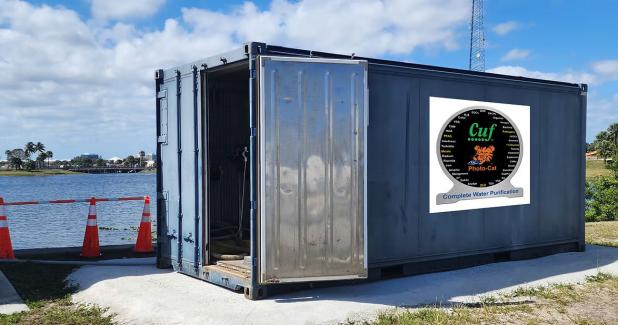
Under the plan, the vendors will bring mobile pilot systems—typically housed on skids or trucks—to the City’s water treatment site. The systems will connect to the raw water supply, run test samples through their membranes, and collect detailed water quality data. None of the pilot-treated water will enter the City’s distribution system.
The pilot phase is expected to take about four to five months, followed by engineering analysis by Jacob | Martin to determine which membrane system performs best with Olney’s water.
Public Works Director Michael Jacoba told the Council that once the pilot study is complete, results and recommendations must be submitted to TCEQ for review—a process that can take another four to six months. After that approval, final plant design must be completed and sent back to TCEQ for another round of review.
“Each step takes time, and TCEQ typically uses the full review period,” Mr. Jacoba said. “Realistically, we’re probably looking at early 2027 before we can break ground.”
Mayor Rogers noted that the extended timeline is typical for membrane plants, which are still considered innovative technology by regulators, even though Jacob | Martin has designed similar systems elsewhere.
The new membrane plant will replace Olney’s existing water treatment facility, portions of which date back more than 100 years. The project has been under discussion since early 2020, beginning with infrastructure planning and community meetings, followed by the creation of a water treatment finance committee and Council approval of revenue bonds.
The City has approximately $14.5 million available for the project through a previously approved revenue bond and water rate surcharges. Mayor Rogers said Jacob | Martin remains confident the project will come in within the previously estimated $10 million to $11 million budget.
“They felt very confident that we’re still within budget,” Mayor Rogers said. “That was encouraging to hear.”
Council member Terri Wipperman noted the length of the process, while agreeing that the investment will have lasting benefits.
“It’s been a long process, but it’ll be nice when it’s done,” Ms. Wipperman said.
Mayor Rogers agreed, calling the project “generational.”
“This is something that will serve the City for the next 40 or 50 years,” Mayor Rogers said. “It’s something people won’t fully appreciate until it’s done—but it’s going to matter.”
The Council approved the pilot study vendors by a unanimous vote, formally authorizing Jacob | Martin to begin coordinating testing with the three suppliers.