OEDC to Revive Tax Zone Plan to Balance Tax Cuts
The Olney Economic Development Corporation is reigniting efforts to establish a Tax Increment Reinvestment Zone (TIRZ) to spur residential growth and bring national homebuilders to town - a year after the group floated the proposal and received pushback from some business owners.
At its June 11 meeting, the board agreed to resume discussions with the City of Olney about forming a TIRZ, a public financing tool that allows municipalities to earmark future property tax revenue from new development to fund infrastructure and incentives within a defined zone.
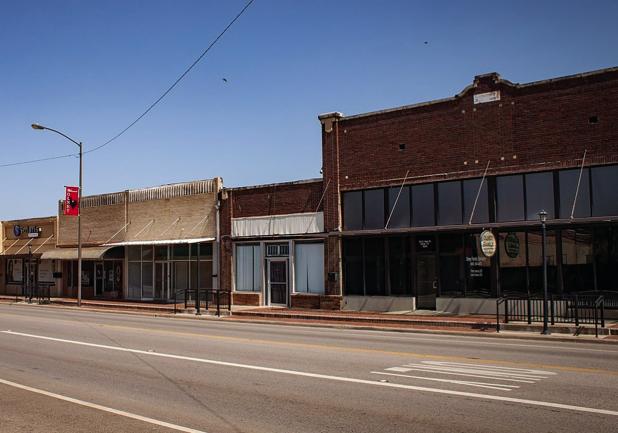
The zone initially included a three-block strip along Main Street, the Olney Airport and the city-owned land surrounding it, and Lake Olney, which the City would have to annex. After talks with Air Tractor President Jim Hirsch about the tax implications of the TIRZ, the OEDC agreed to redraw the boundaries to remove the world’s largest turboprop manufacturer from its footprint, OEDC executive director Tom Parker said.
Mr. Parker noted that the recent hike in property valua- tions could have accrued to the TIRZ, had it been in place, to fund infrastructure projects such as roads, sewage, and water lines for new housing. “We are losing opportunities every day,” said Mr. Parker. “We have national homebuilders interested in building up to 30 homes here. But they say either all three builders come—or none come. And right now, we’re not ready.”
The proposed zone would include the Lake Olney area, which may be annexed into the city limits. Officials say doing so would unlock multiple funding mechanisms, including interlocal agreements with Young and Archer counties to maintain roads, septic systems, and water infrastructure. Mr. Parker also emphasized that annexation could allow the city to convert temporary lake leases into long-term arrangements, increasing housing options and water sales revenue.
Board member Phil Jeske noted that despite recent increases in property valuations, the City of Olney is limited by state law to only a 3.5 percent increase in tax revenue annually, meaning they can’t capture the full benefit of higher property values. “The TIRZ allows us to reinvest that growth strategically,” Mr. Jeske said.
Board President Johnny Moore asked whether the board should formally support the TIRZ. While no motion was made, members agreed to start building a renewed case to present to the Olney City Council.
“This is about proving to the outside world that Olney is ready to do business,” Parker said. “We’re not even at the table if we don’t move forward.”