
McClelland-Backed Developer to Invest in Olney Housing
BY GINA KEATING
The Olney City Council voted Nov. 10 to move forward with the creation of Tax Increment Reinvestment Zone No. 1, a housing-focused district backed by $6 million in private investment that supporters say could jump-start long-stalled residential development in town.
The Council agreed to hold a public hearing on Nov. 24 to consider the proposal, which is being led by Tower Extrusions President Mark McClelland and his family company, Olney Development. Mr. McClelland plans to kick off the effort with an estimated $6 million private investment to help attract additional capital for new homes in and around Olney.
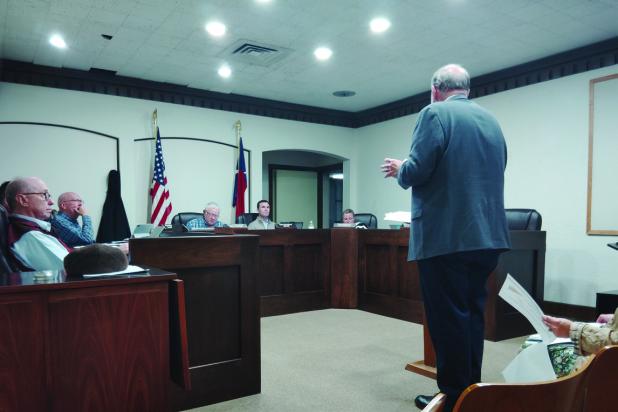
“This is about giving people a place to live in Olney, not just work here,” Mr. Mc-Clelland’s attorney, David Earl, told the Council. Mr. Earl, who said he has helped establish at least 40 TIRZ and TIF districts across Texas, walked council members through how the mechanism would work in a community of Olney’s size.
TIRZ No. 1 would focus only on housing, with multiple zones envisioned around the city to support different types of residential development — from starter homes to higher-end “executive” housing and some duplex units for workers relocating to town. The proposal also anticipates significant water and sewer upgrades and street and drainage improvements needed to support the new neighborhoods.
City officials say the TIRZ framework would allow those infrastructure costs to be repaid over time from the new tax value created by the housing, rather than from existing taxpayers.
Under Texas law, when a TIRZ is created, the current property values inside its boundaries are “frozen” as a base value. The city continues to collect all of its regular tax revenue on that base.
As new construction and improvements raise property values within the zone, a portion of the additional tax revenue — the increment — is set aside in a special fund to pay for public improvements inside the zone.
Mr. Earl told council members that the proposal would not raise the city’s tax rate. “We would still receive our current revenue on the base value,” he said. “Only the growth above that base would be earmarked for TIRZ projects.”
Economic development has been a longterm priority for Olney Economic Development Corporation executive director Tom Parker, who has been working for at least two years on a separate, city-initiated TIRZ concept to revitalize downtown Olney and attract new businesses. That potential district, still in the planning stages, would focus on commercial and downtown redevelopment if it moves forward.
By contrast, TIRZ No. 1 is being initiated by Olney Development and is limited to housing. Mr. Earl described it as the first piece of a broader strategy that could eventually include a downtown TIRZ and other tools if the community supports them.
Mayor Rue Rogers said the Nov. 24 public hearing — which was advertised in the Olney Enterprise — is the next step in that conversation.
“This is a big decision for Olney,” Mayor Rogers said. “The hearing will give everyone a chance to ask questions, hear from the experts and the developer, and decide whether this is the right way to address our housing shortage and grow our tax base.”
If the Council approves the TIRZ after the hearing, the district could be established before the end of the year, locking in current property values and allowing the city and Olney Development to begin implementing the housing plan in 2025.
Mr. McClelland said he has several projects ready for shovels as soon as “tomorrow” if and when the Council approves the TIRZ.